Blog

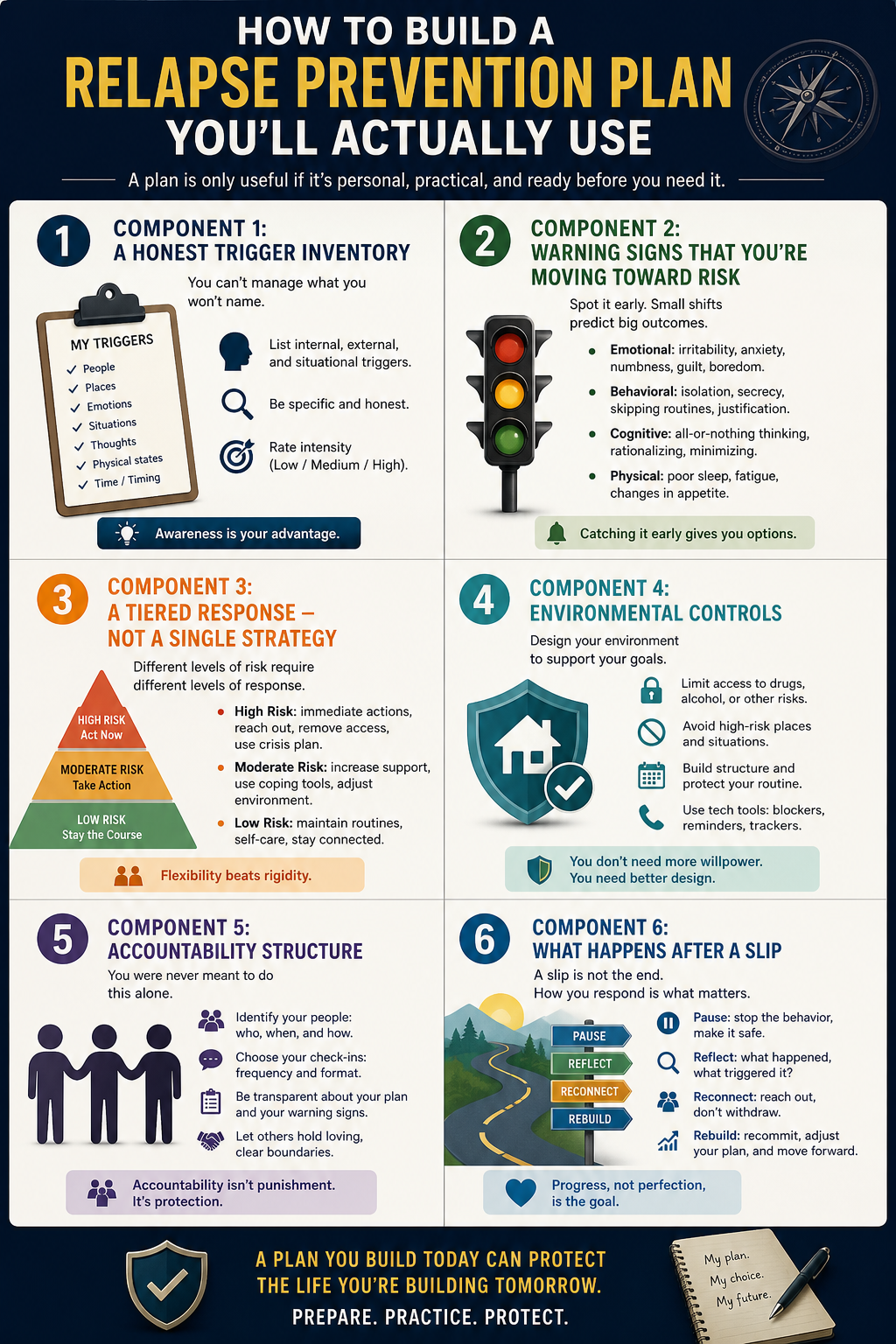
Understanding personal triggers is one of the most important steps in recovering from compulsive sexual behaviour or pornography addiction. Many people experience urges without fully understanding what caused them. Trigger tracking helps identify patterns that lead to urges, making it easier to manage them before...

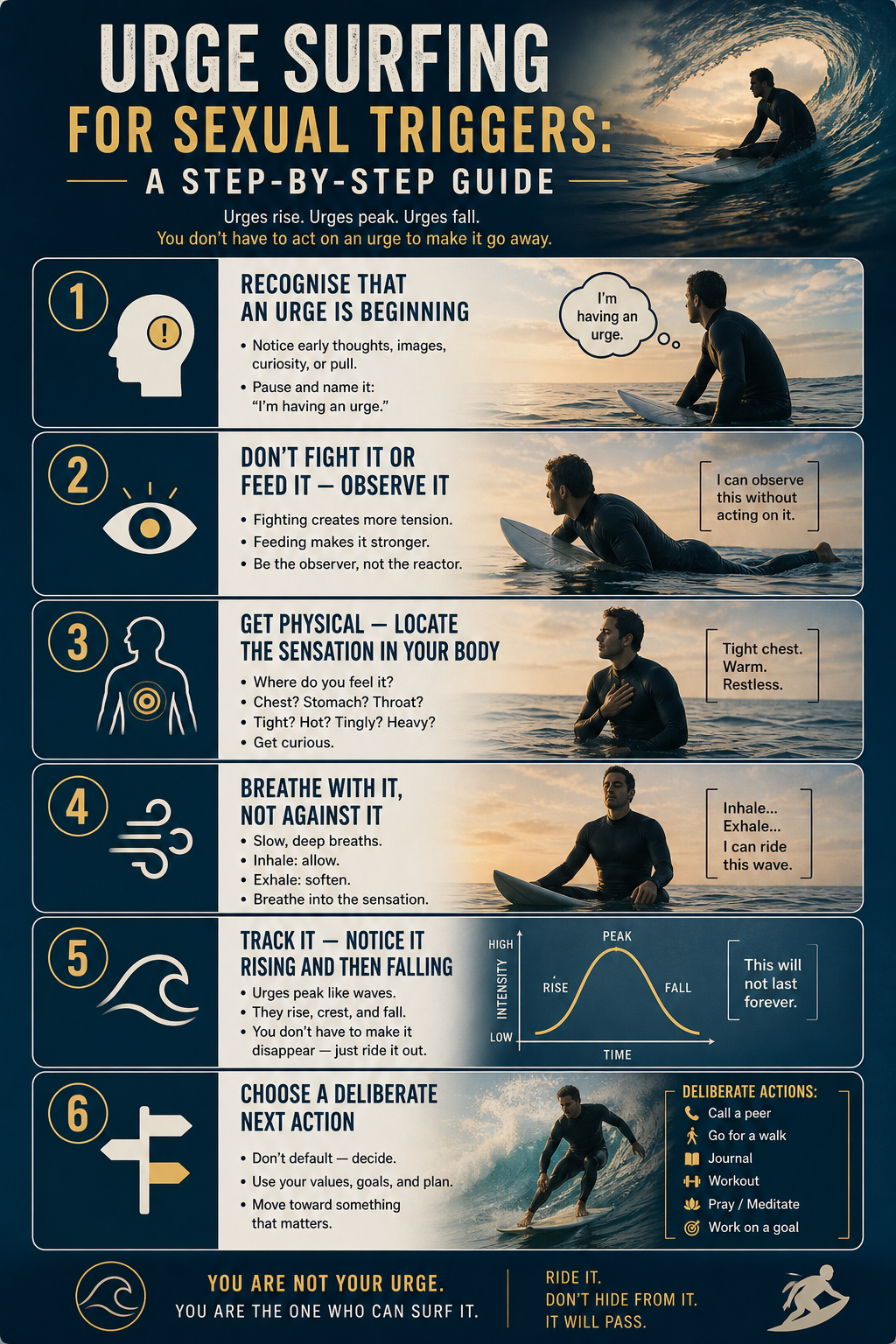
Experiencing sudden urges is a common part of recovery from compulsive sexual behaviour or pornography addiction. While urges can feel overwhelming in the moment, they are usually temporary and often pass more quickly than people expect. Research in behavioural psychology shows that most emotional impulses rise,...

Recovery from compulsive sexual behaviours or pornography addiction is not just about avoiding triggers — it is about building healthier patterns that support emotional regulation, self-awareness and long-term wellbeing. One of the most powerful ways to support recovery is by establishing a consistent morning routine. Mornings...

Why Trust Comes Before Touch After betrayal, addiction, or a major rupture in trust, many couples feel pressure—spoken or unspoken—to “get back to normal,” including resuming physical intimacy. While physical closeness can be healing, moving too quickly often creates confusion, anxiety, or further emotional harm. True healing...

Honesty, Empathy, and Safety After Betrayal or Addiction Disclosure When a partner asks hard questions after discovering porn use, sex addiction, or betrayal, it can feel overwhelming and frightening. Questions about the past, details, honesty, and trust often stir shame, fear, and defensiveness. Many people worry...

Understanding Betrayal Trauma and Its Emotional Impact Discovering a partner’s sex addiction, porn use, or secret sexual behaviour can be deeply shocking. Many partners are surprised to find that their emotional and physical reactions resemble those associated with trauma. They may experience anxiety, intrusive thoughts, hypervigilance,...

Understanding How Shame Keeps Addiction Alive Shame is one of the most powerful—and least understood—forces driving addictive behaviour. Many people believe that harsh self-criticism will motivate change, but in reality, shame often strengthens the very behaviours people are trying to stop. This is known as the...

Understanding the Brain Science Behind Compulsive Viewing Porn use is often explained as a matter of willpower or habit, but neuroscience tells a deeper story. At the centre of compulsive porn use are three tightly linked forces: dopamine, novelty, and escalation. Together, they create a powerful...

Terms like porn addiction and compulsive sexual behaviour are often used interchangeably, but they are not exactly the same. While both involve difficulties controlling sexual urges and behaviors, they differ in scope, triggers, and clinical framing. Understanding the distinction can help individuals seek the right...