Blog

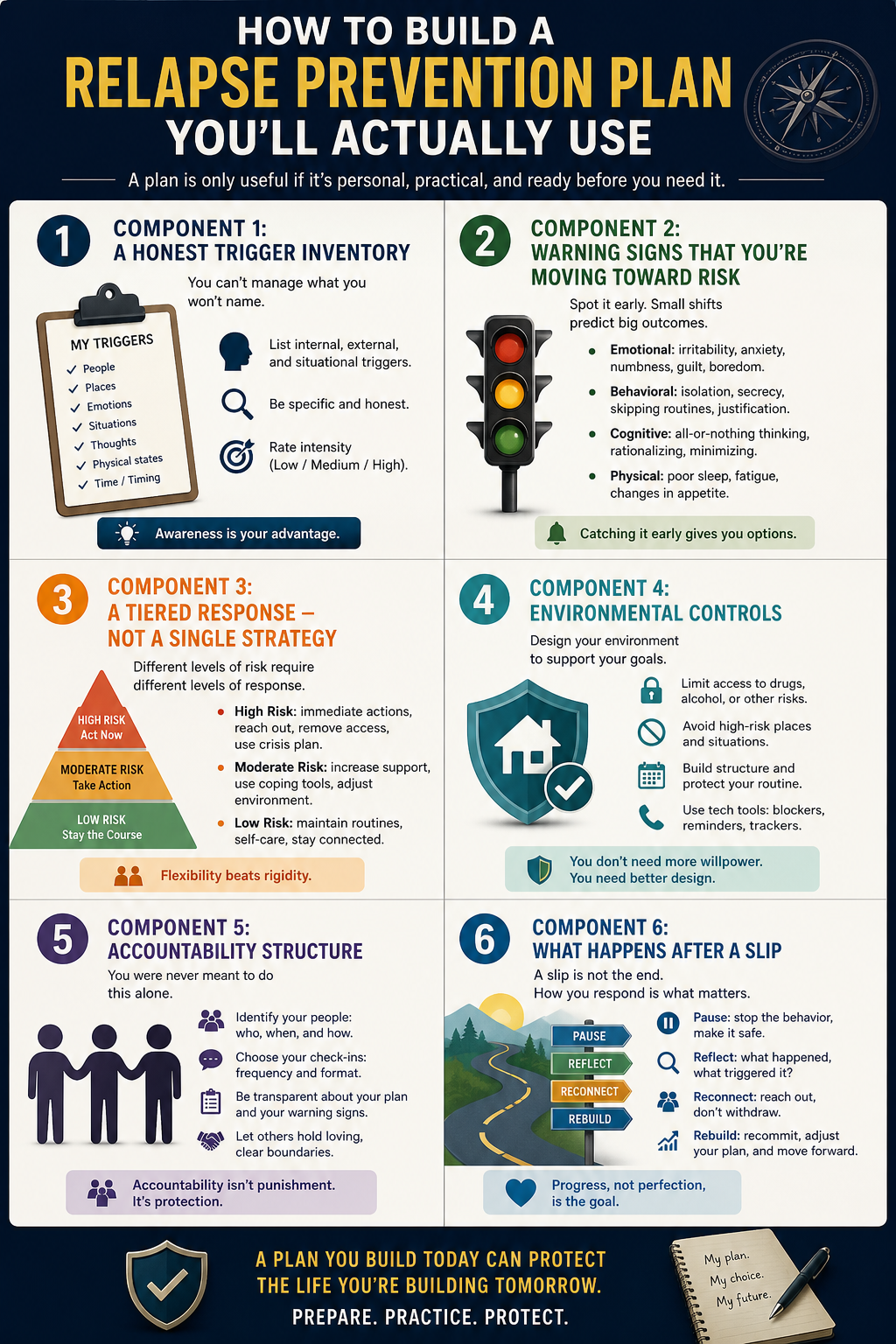
Most people in recovery from compulsive sexual behaviour have some version of a relapse prevention plan. The honest question is: would you actually reach for it in the moment that matters? Generic plans — the kind that look good on paper, ticked off in a therapy...

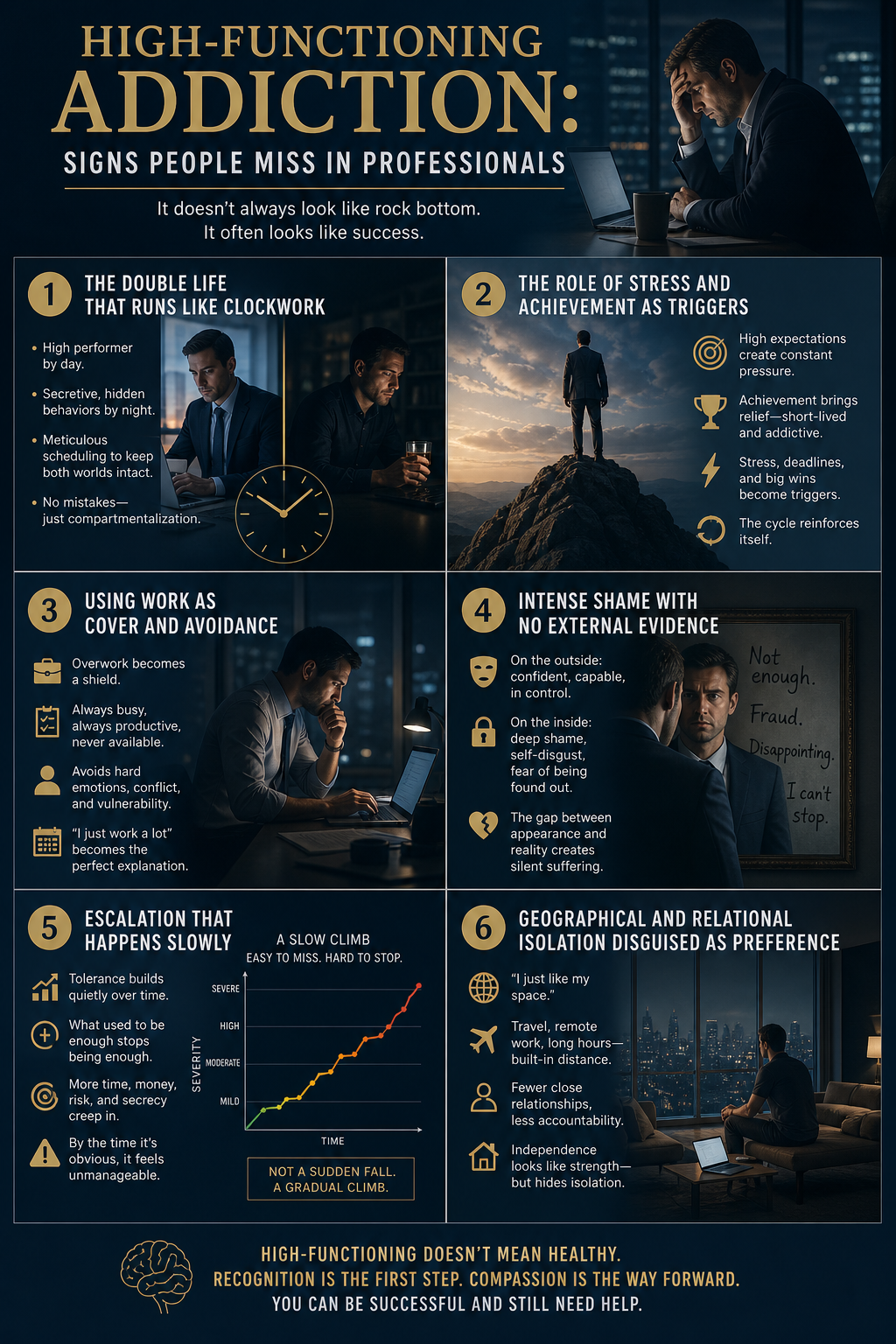
There is a particular kind of pain that comes with being someone who, on the surface, appears to have everything together. You show up to work. You perform well. Your colleagues and family see a capable, competent person. And underneath all of it, there is...

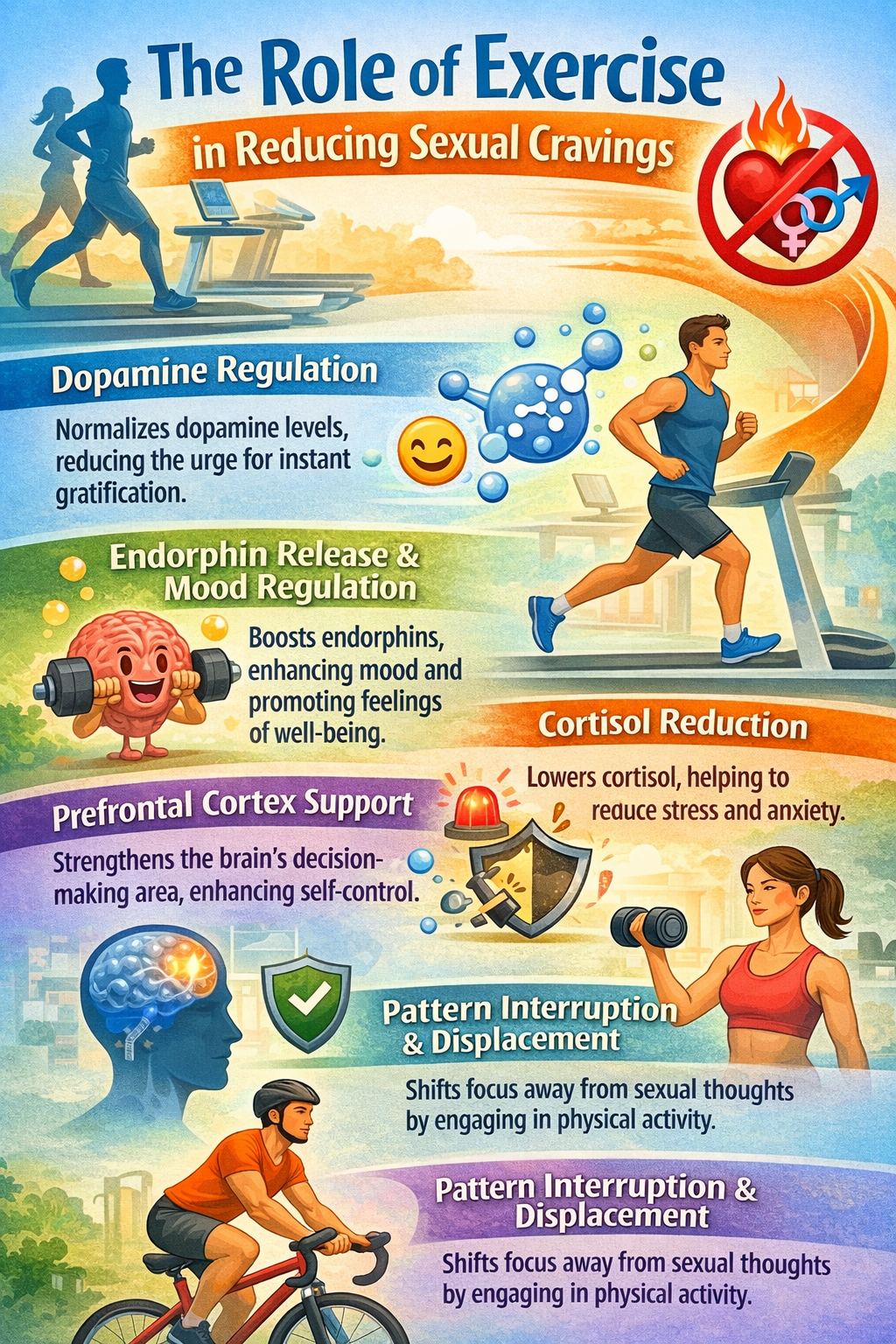
When people are looking for tools to support recovery from compulsive sexual behaviour or pornography addiction, exercise rarely makes the top of the list in the way that therapy, accountability, or content filtering do. Yet the evidence for its impact on craving reduction is robust,...

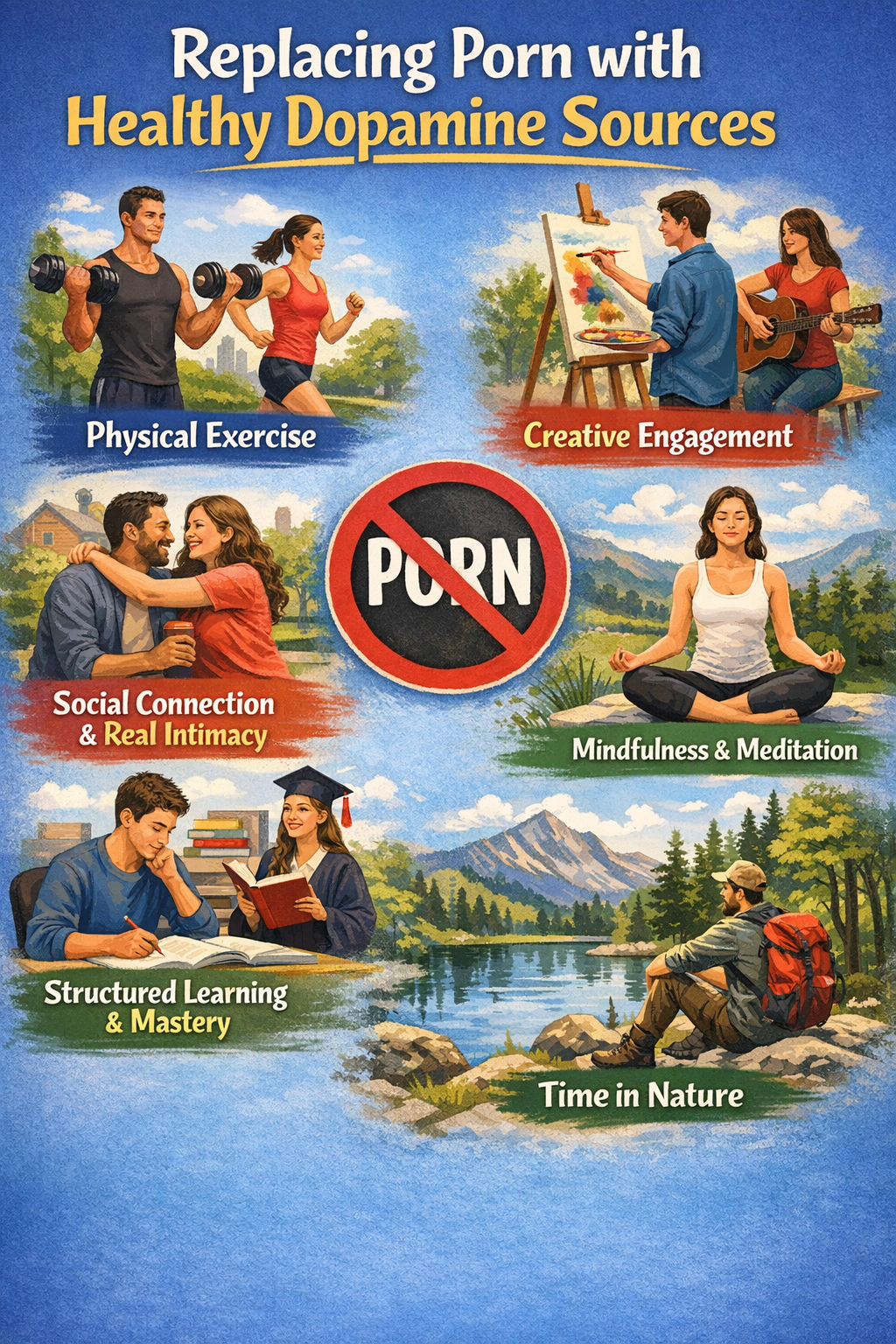
One of the most common questions in pornography addiction recovery is: what do I do instead? The question sounds simple, but it points to something real and neurologically significant. Pornography addiction is, in part, a story about dopamine — about the brain learning to associate...

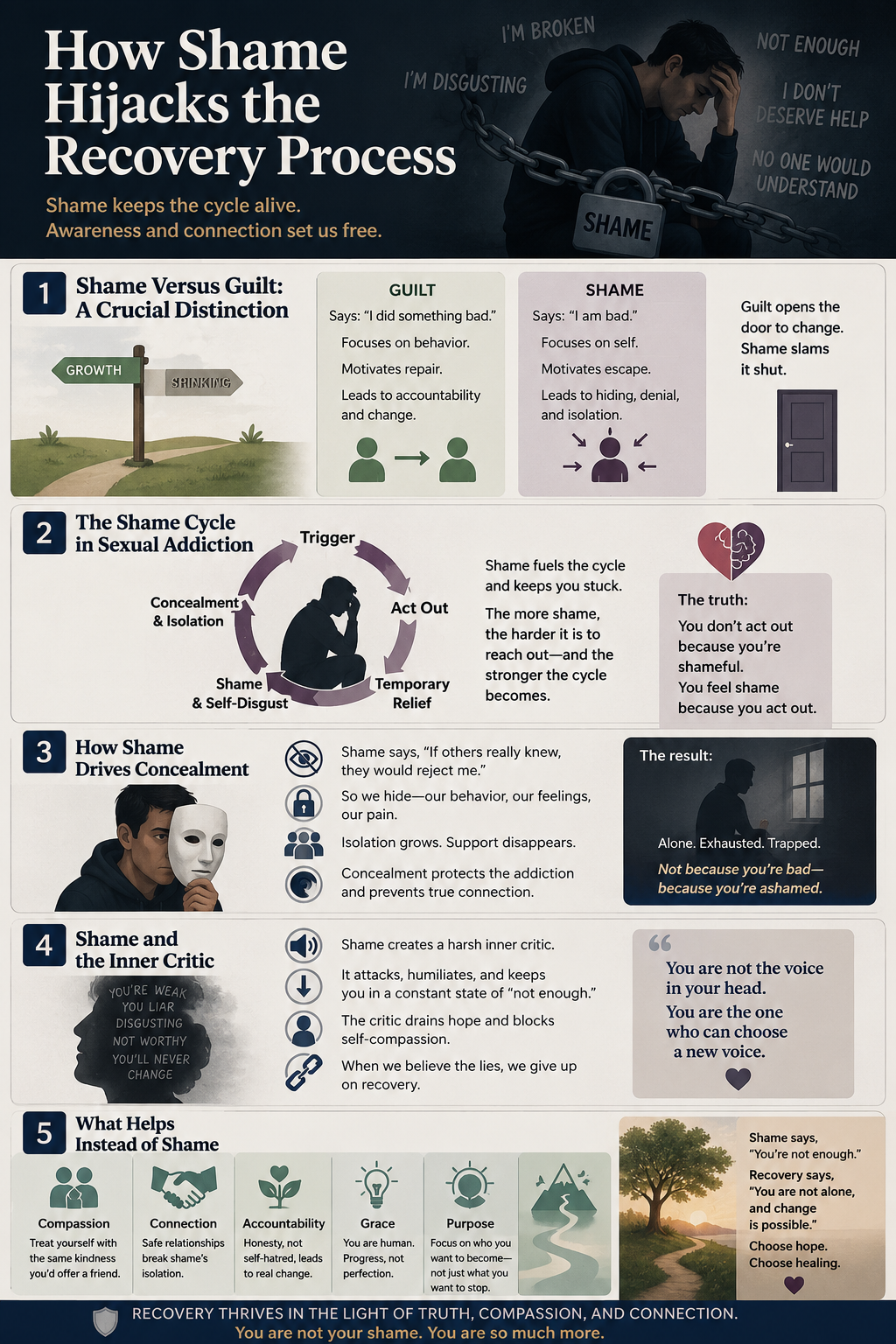
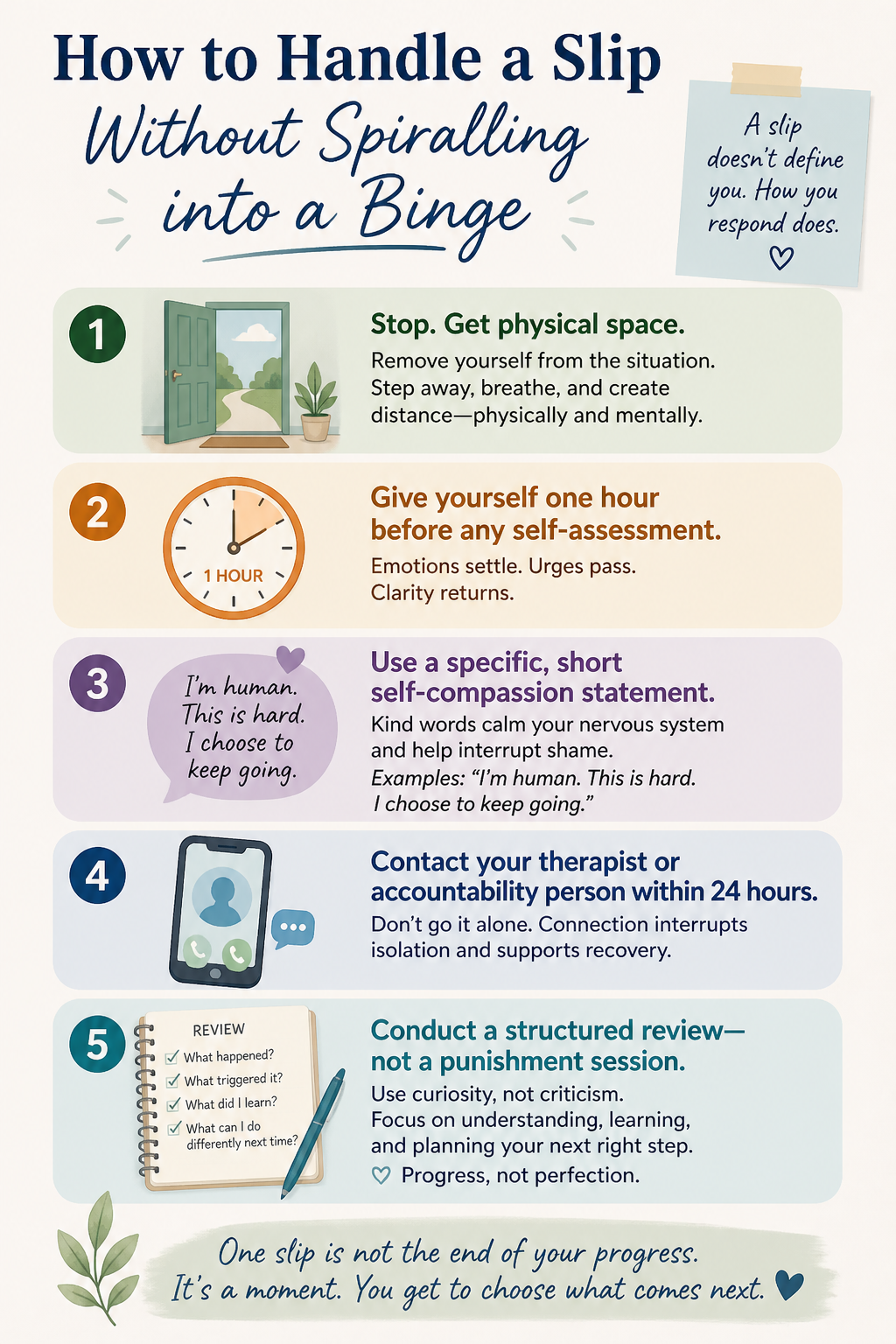
Relapse in recovery from sex or pornography addiction often carries a weight that goes far beyond the act itself. For many people, it isn't just the behaviour that hurts — it's the story that follows it. The voice that says: I promised myself I wouldn't....

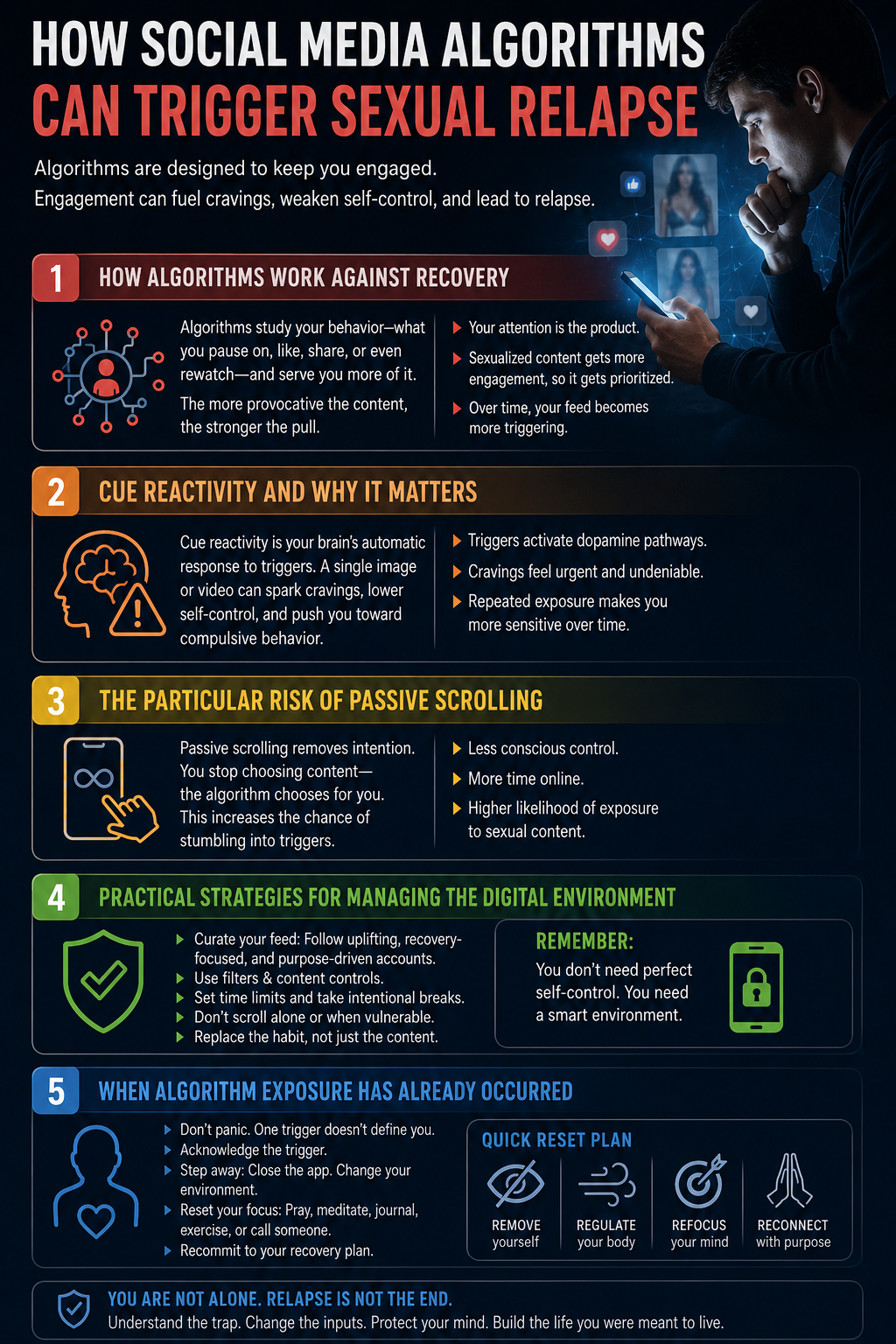
Understanding personal triggers is one of the most important steps in recovering from compulsive sexual behaviour or pornography addiction. Many people experience urges without fully understanding what caused them. Trigger tracking helps identify patterns that lead to urges, making it easier to manage them before...

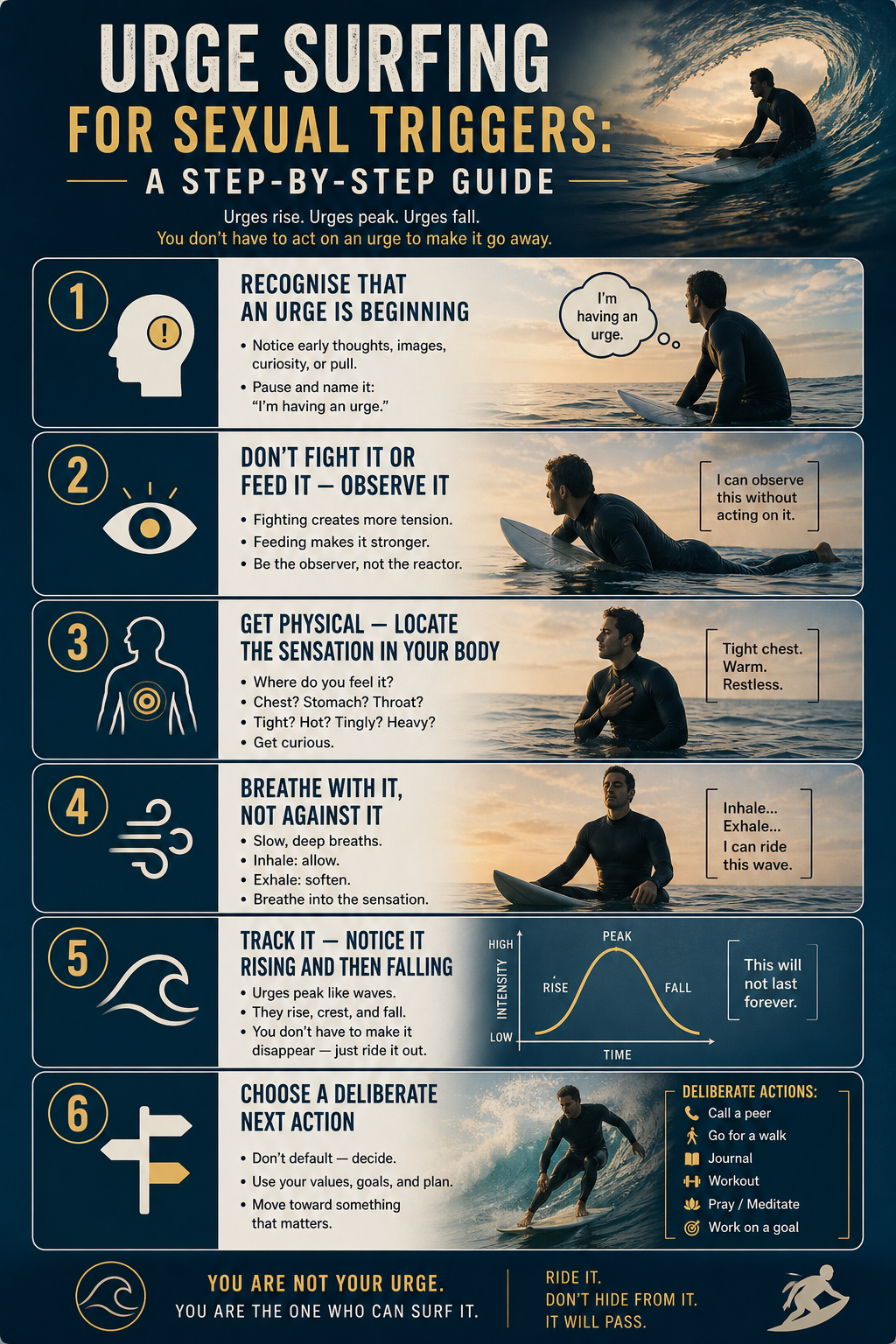
Experiencing sudden urges is a common part of recovery from compulsive sexual behaviour or pornography addiction. While urges can feel overwhelming in the moment, they are usually temporary and often pass more quickly than people expect. Research in behavioural psychology shows that most emotional impulses rise,...

Recovery from compulsive sexual behaviours or pornography addiction is not just about avoiding triggers — it is about building healthier patterns that support emotional regulation, self-awareness and long-term wellbeing. One of the most powerful ways to support recovery is by establishing a consistent morning routine. Mornings...

Why Trust Comes Before Touch After betrayal, addiction, or a major rupture in trust, many couples feel pressure—spoken or unspoken—to “get back to normal,” including resuming physical intimacy. While physical closeness can be healing, moving too quickly often creates confusion, anxiety, or further emotional harm. True healing...